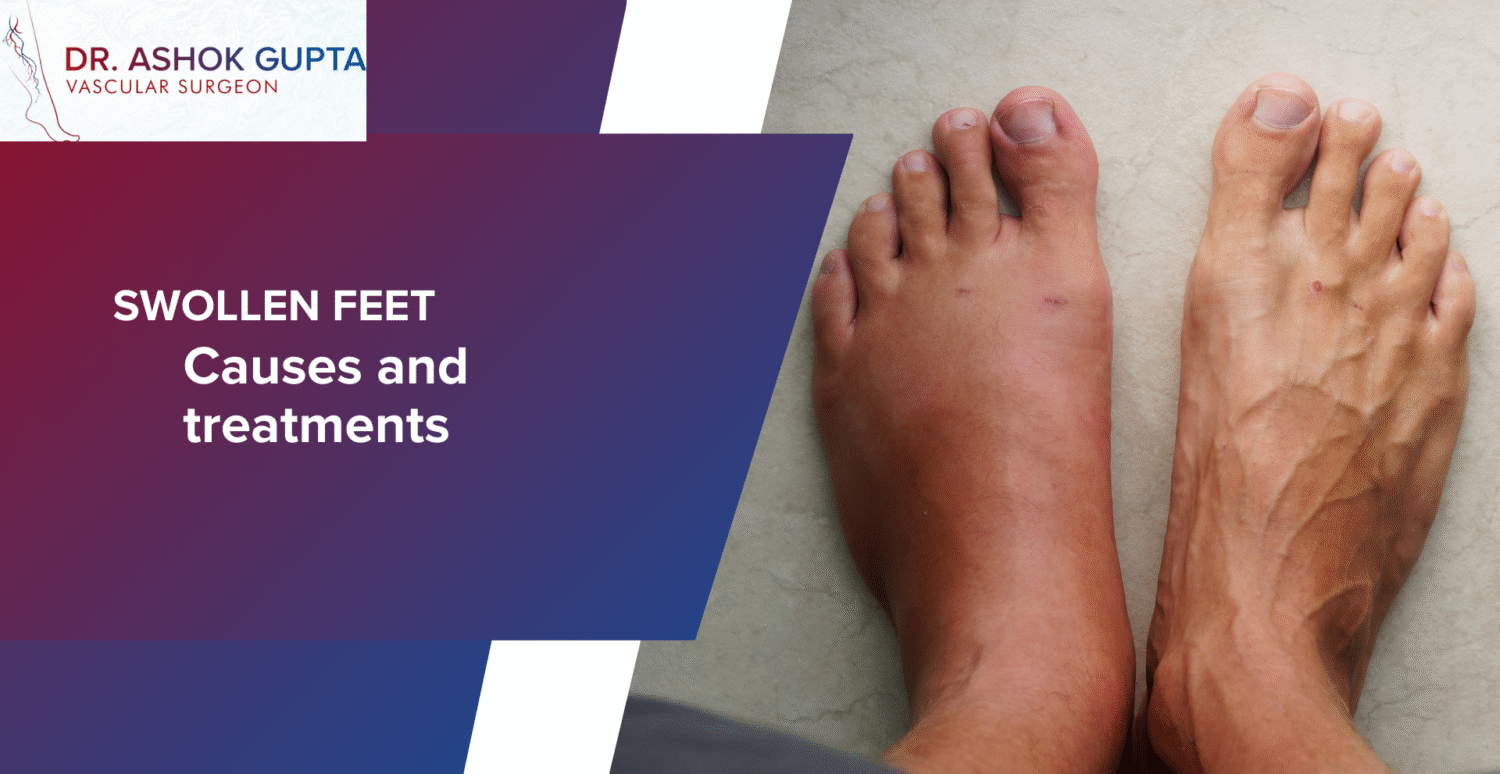
Swollen feet may seem like a common ailment, but they can also be a sign of a serious underlying health concern.
It could be a result of daily factors or potential medical conditions like venous insufficiency, blood clots, and lymphedema.
Let us look at some common causes of swollen feet and explore the various treatments available.
Unraveling the common causes of swollen feet
Swollen feet can arise from various factors, including lifestyle choices and underlying medical conditions. Finding the root cause is crucial for prompt treatment.
Prolonged standing or sitting: Gravity can increase fluid accumulation in the lower extremities. Long hours of standing can lead to swollen feet and ankles.
Pregnancy: Hormonal changes or increased pressure on the pelvic veins during pregnancy can often result in swollen feet. While generally normal, a healthcare professional should always check sudden or excessive swelling.
Injury or inflammation: Sprains, strains, or other injuries to the foot or ankle can trigger inflammation, leading to localized swollen feet.
Medications: Medicines, such as some blood pressure medications, antidepressants, and hormone therapies, can have swollen feet as a side effect.
Obesity: Being overweight puts extra pressure on the veins in your legs, contributing to fluid buildup and swollen feet.
When swollen feet signal a deeper issue
Venous insufficiency: This occurs when the veins in your legs fail to flow blood back up to your heart. Damaged or weakened valves in the veins cause the blood to pool in the legs and feet, causing swollen feet and ankles. If left untreated, venous insufficiency can cause skin changes, pain, and leg ulcers.
Heart failure: When the heart isn’t pumping blood effectively, fluid can back up in various body parts, including the legs and feet, causing noticeably swollen feet.
Kidney disease: The kidneys play a pivotal role in regulating fluid balance in the body. Excess fluid can accumulate if the kidneys aren’t functioning properly, leading to swollen feet and other symptoms.
Liver disease: This causes a reduction in albumin, a protein that helps retain fluid in the blood vessels. Low albumin can cause fluid to leak into the tissues, resulting in swollen feet and abdomen.
Lymphedema: This happens when the lymphatic system, which drains excess fluid from tissues, is blocked or damaged. This blockage can lead to fluid buildup and chronically swollen feet and legs. Lymphedema can result from surgery, cancer treatment, infection, or inherited conditions.
Blood clot: A blood clot in the veins of the leg (deep vein thrombosis or DVT) can obstruct blood flow and cause sudden, often painful, swollen feet. This is a serious condition that may need immediate medical attention.
Ignoring swollen feet caused by a blood clot can cause severe complications, including pulmonary embolism.
Effective treatments for swollen feet
The treatment for swollen feet will depend on the underlying cause. Here are some approaches to managing and treating swollen feet:
Lifestyle modifications:
Elevation: Elevating your legs above your heart several times daily can help drain excess fluid.
Compression therapy: Wearing compression stockings improves blood circulation and reduces swelling, especially in cases of venous insufficiency.
Regular exercise: Gentle exercises, like walking or ankle pumps, can improve blood flow and lymphatic drainage.
Weight management: If obesity is a factor, losing weight can alleviate the pressure on your veins.
Dietary changes: Limiting sodium intake can help minimize fluid retention.
Medical treatments:
Medications: Depending on the underlying cause, Dr. Gupta may prescribe diuretics to help your body eliminate excess fluid, medications to manage heart conditions, or anticoagulants to treat a blood clot.
Therapies for venous insufficiency: To improve vein function, patients with venous insufficiency may receive sclerotherapy, laser therapy, or surgical procedures.
Management of lymphedema: To control swelling and avoid complications, treatment for lymphedema includes manual lymphatic drainage, compression therapy, exercises, and skin care.
What are some home remedies for swollen ankles?
Quick, gentle ways to ease swollen ankles at home
Put your feet up Lie back and rest your feet on two pillows so they’re above heart level for 20 minutes, two or three times a day .
Move a little every hour A short walk, ankle circles, or simply flexing your toes up and down keeps blood flowing and stops fluid from pooling .
Try compression socks Light- to medium-pressure socks (sold at most pharmacies) give your veins a gentle “hug” to push fluid back toward the heart .
Cut back on salt Swap salty snacks for fresh fruit and veggies; less salt means less water retention .
Cool and pamper • Cold pack or a cool Epsom-salt foot soak for 15 minutes can soothe puffiness . • Moisturise to keep skin soft and prevent cracks that invite infection .
Sip more water Aim for 8–10 glasses daily; staying hydrated actually reduces the body’s urge to hold on to extra fluid .
Check your shoes Wear roomy, low-heeled shoes and avoid tight socks or ankle bands that can block blood flow .
⚠️ See a doctor promptly if only one ankle swells suddenly, the skin turns red or hot, or pain is severe—these may signal a clot .
Refer Dr. Ashok Gupta For Accurate diagnosis and treatment for swollen feet
Whether your swollen feet are due to venous insufficiency, a potential blood clot, lymphedema, or any other underlying issue, Dr. Ashok Gupta can help you find relief and improve your quality of life.