What Are Varicose Veins? Getting to the Facts

What Are Varicose Veins

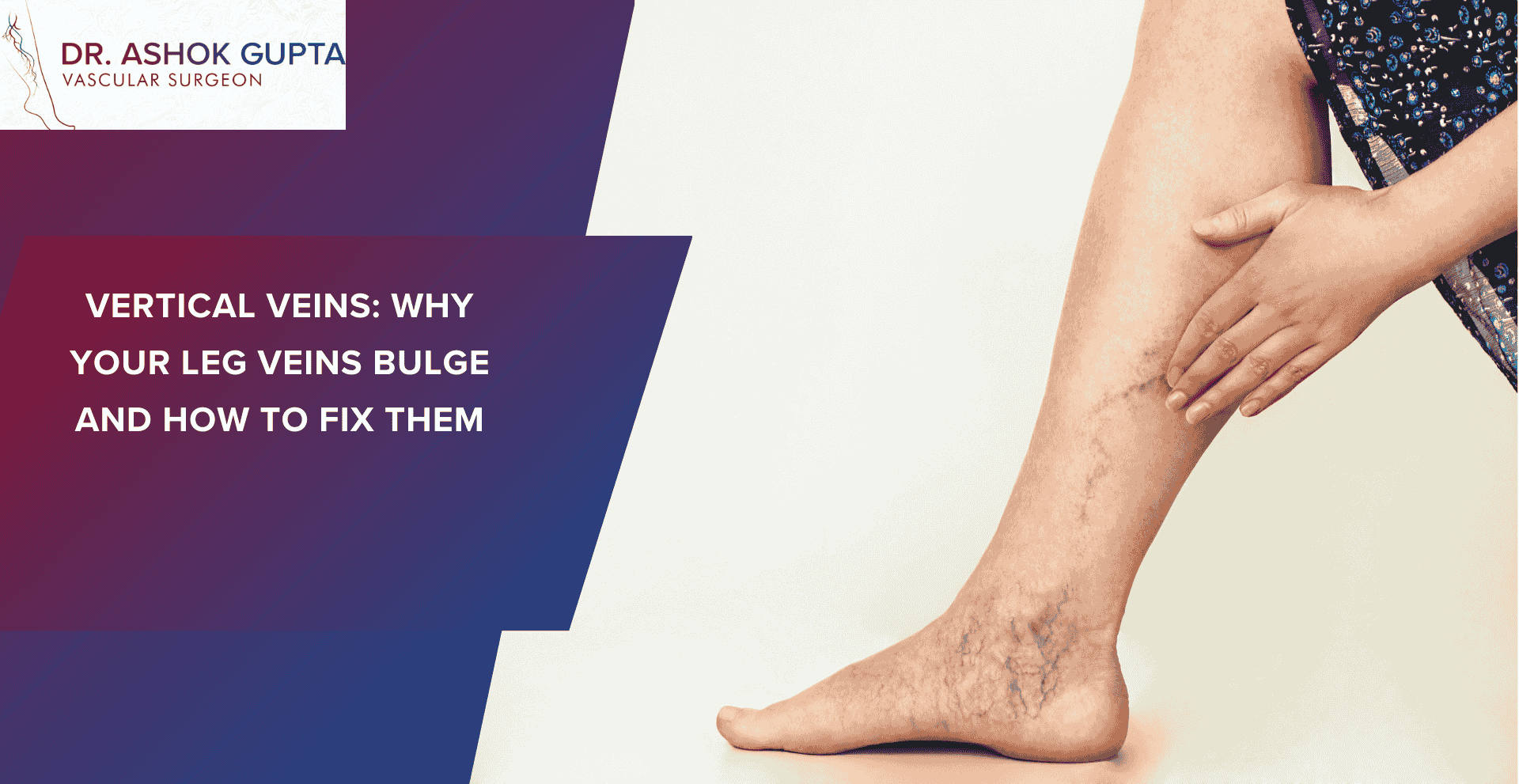
We’ve all noticed them: those twisted, bumpy, blue or purplish lines, most often showing up on the legs. They might seem like a small irritation, but for many people, varicose veins are a sign that something more important is happening inside your body. It’s not just about how they look; it’s a real health matter that needs attention.

As a doctor, I, Dr. Ashok Gupta, have seen how much misunderstanding there is about this very common problem. Let’s look closely at what varicose veins actually are, why they happen, and why getting care sooner rather than later is truly the smart choice.

How a Varicose Vein Happens

How Varicose Veins Forms

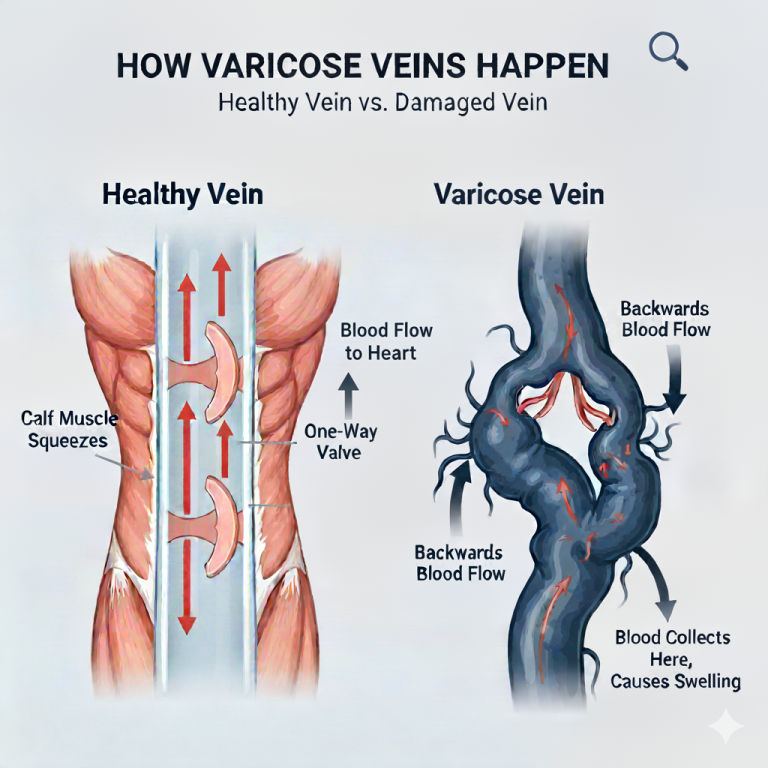
To understand varicose veins, we need a quick lesson on how your body works. Your blood system is amazing, especially the veins. Their job is to carry used blood back to your heart—a tough task, especially in your legs where they have to push against gravity all the way up.

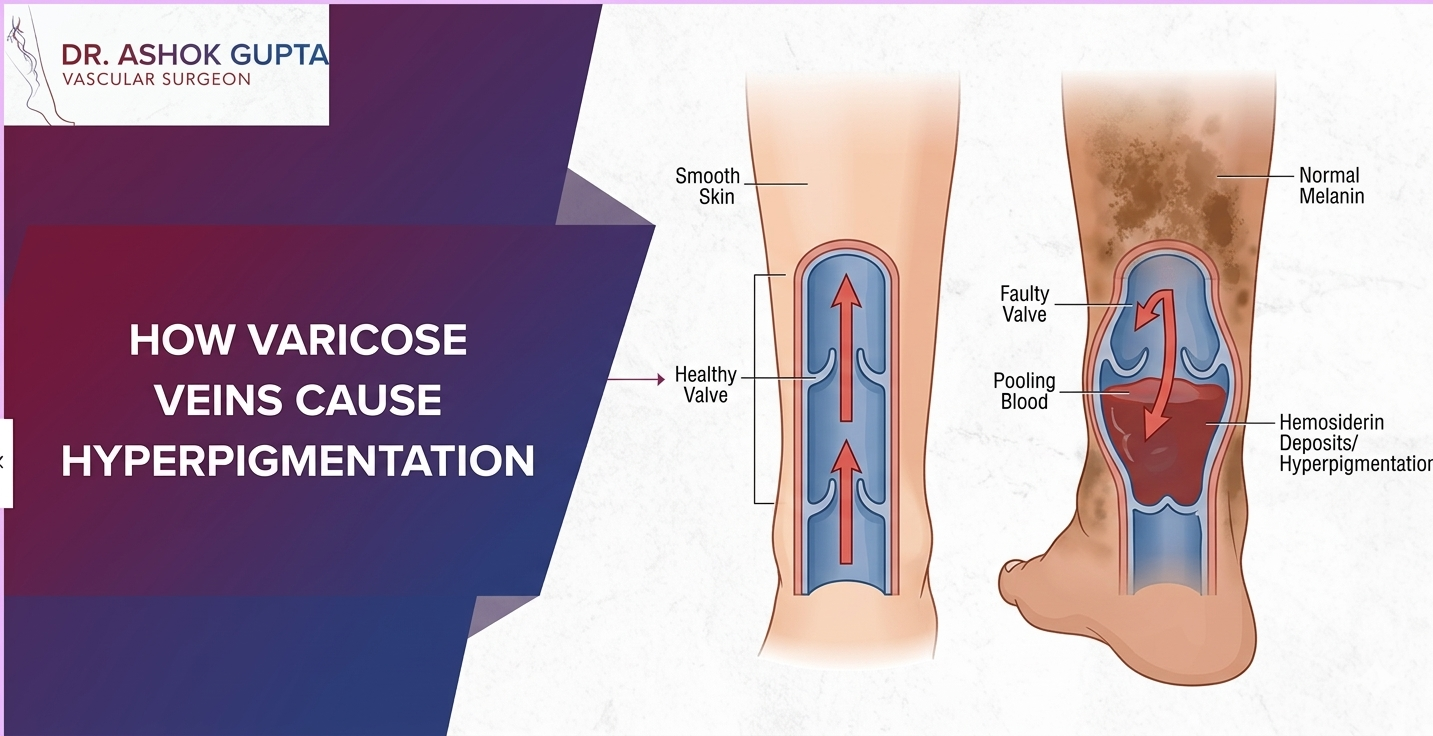
To stop the blood from flowing backward, your veins have tiny, one-way flaps or valves. Think of them like small, opening doors. When the muscle around the vein squeezes (like when you walk), the blood is pushed up, and the valve closes tightly behind it. It’s a very clever system.

But what happens when those valves become weak or damaged? That’s when problems start.

The Main Issue

When the valve fails to close properly, blood starts to leak down and, because of gravity, it begins to collect in the vein. This increased pressure causes the vein to stretch, swell, and become twisted—what we call a varicose vein. It’s similar to a balloon being slowly filled too much; it gets bigger and changes its shape.

While they can show up almost anywhere, they appear most often in the legs because of the hard work needed to move blood upward against gravity in those long blood vessels.

Who Is Most Likely to Get Them?

It’s easy to think of varicose veins as something only older people get, but the truth is, they can affect anyone. However, some things definitely increase your chance of getting them:

  • Family History (Genetics): This is perhaps the biggest reason. If your parents or grandparents had them, you are more likely to get them too. You can blame the genes you got from your family for making your vein walls or valves a bit weaker.

  • Getting Older: Time naturally causes wear and tear. The tiny flaps (valves) get weaker as you age.

  • Gender: Women are more likely to develop varicose veins than men, mainly due to body changes during pregnancy or menopause, which can make vein walls relax.

  • Pregnancy: The large increase in blood amount to support the baby, plus the pressure from the growing womb on the main veins in the tummy, can cause varicose veins.

  • Daily Routine (Lifestyle): People whose jobs require standing or sitting for long periods, like teachers, security staff, or people working at a desk, may notice symptoms more because sitting still makes it harder for the calf muscle pump to help the blood move.

Symptoms: More Than Just Appearance

For some, varicose veins are just something noticeable on the skin. For many others, the feeling of discomfort is real. If you’ve ever felt a heavy, aching, or pulsing feeling in your legs, especially after a long day, it could be your varicose veins telling you something.

Common feelings include:

  • A heavy or painful feeling in your legs.

  • Burning, pulsing, or muscle cramps, often worse at night.

  • Swelling in the lower legs and ankles.

  • Itching around the affected vein.

  • In more serious cases, skin changes like darker patches or the creation of painful open sores (ulcers) near the ankles.

When you have these feelings, it’s not just about fixing a vein that doesn’t look nice; it’s about taking care of the important blood flow health in your legs.

Taking Action: Steps You Can Take

The good news is that modern medical progress means treating varicose veins is easier and involves less surgery than ever before. While changing your daily habits is key for managing feelings and stopping the problem from getting worse, these changes rarely make existing veins disappear.

For mild cases, I often suggest compression socks and simple routines like lifting your legs up higher now and then. However, for more difficult veins, new treatments like Laser Treatment (EVLT) or Injections (Sclerotherapy) are very effective, require minimal surgery, and mean you can usually get back to your routine quickly.

Don’t let old beliefs stop you from getting help. If you’re feeling pain, discomfort, or are simply worried about how your veins look, seeing a specialist is the right move.

Common Questions (FAQ) About Varicose Veins

Are Varicose Veins Only a Problem of Appearance?

No, definitely not. While they do change how your legs look, varicose veins are a true medical problem. They show signs of vein illness where the blood flow is not working correctly. If they are not treated, they can lead to pain, skin ulcers, and rarely, blood clots like Deep Vein Thrombosis (DVT), which is a serious health risk.

Does Sitting with Crossed Legs Cause Varicose Veins?

This is a common false belief! Crossing your legs does not cause varicose veins. The main reason is weak valves caused by family history, age, and hormones. While crossing your legs might slow blood flow temporarily, it doesn’t create the permanent damage needed for a varicose vein to start.

Does Exercise Make Varicose Veins Worse?

Actually, the opposite is true! Regular exercise, especially walking, swimming, or cycling, is one of the best things you can do for your veins. Moving your legs makes your calf muscles squeeze, working like a pump to help push blood up and out of your legs, reducing the pressure on your veins.

Can Varicose Veins Go Away By Themselves?

Unfortunately, no, they don’t fix themselves. Varicose veins happen because of lasting damage to the valves that lets blood build up. While the painful feelings might get better with changes to your life (like losing weight or lifting your legs), the damaged vein won’t repair itself and usually gets worse over time without professional treatment.

Are Modern Varicose Vein Treatments Painful?

Not at all. The old days of painful surgery are over. Today’s procedures like EVLT (Endovenous Laser Treatment) are done with minimal cuts, in a clinic setting with numbing medicine, and usually involve very little pain or recovery time. Patients can typically walk out of the clinic soon after the procedure is finished.

Book a consultation today!