How Varicose Veins Cause Hyperpigmentation
Many people first notice hyperpigmentation on legs as faint brown patches near the ankles or shins.
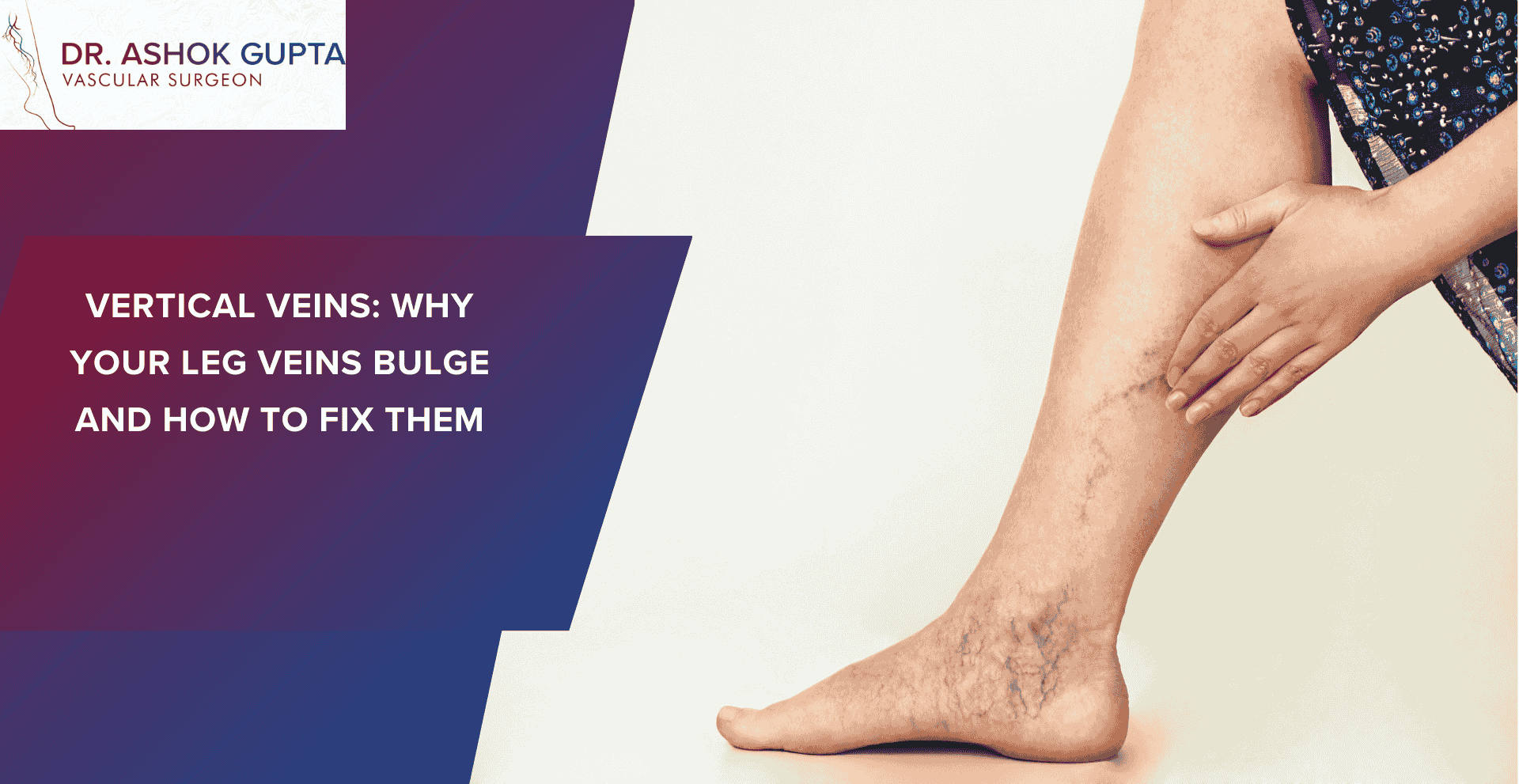
At first, it may look like ordinary tanning or minor skin discoloration. Over time, however, these patches can darken, spread, and sometimes be accompanied by swelling, itching, or visible veins. In many cases, these dark spots on legs and ankles or dark spots on legs and feet are early warning signs that should not be ignored.
What many patients don’t realize is that these skin changes are often not just a cosmetic issue; they can be a sign of an underlying vein problem. From a vascular surgeon’s perspective, hyperpigmentation on legs is frequently linked to chronic venous insufficiency and varicose veins, conditions that affect blood flow in the lower limbs. Understanding hyperpigmentation in legs causes is essential for proper care.
Understanding why these changes occur and how they can be treated is essential for protecting both skin health and circulation, especially when identifying hyperpigmentation on legs causes early.
What Is Hyperpigmentation on Legs?
Hyperpigmentation refers to darkening of the skin caused by excess melanin or deposits of blood pigments in the tissues. In the lower limbs, hyperpigmentation of legs often appears as:
- Brown or purplish patches
- Dark spots on legs and feet
- Pigmentation on legs and feet
- Areas of thickened or dry skin
These changes are widespread in people with long-standing varicose veins, diabetes, or circulation problems, and sometimes overlap with conditions requiring diabetes hyperpigmentation treatment.
How Varicose Veins Lead to Skin Darkening
To understand hyperpigmentation on legs, it helps to look at what happens inside the veins.
1. Poor Blood Flow and Venous Pressure
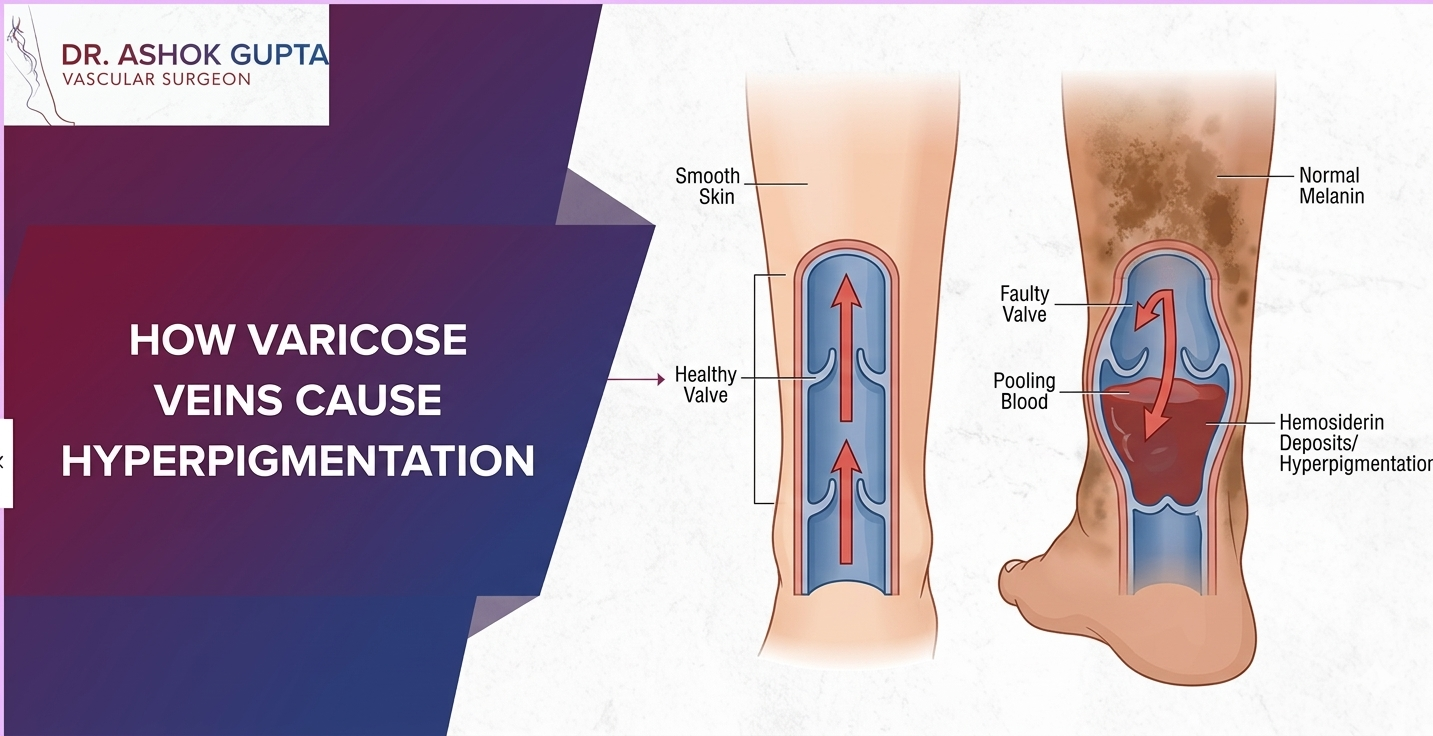
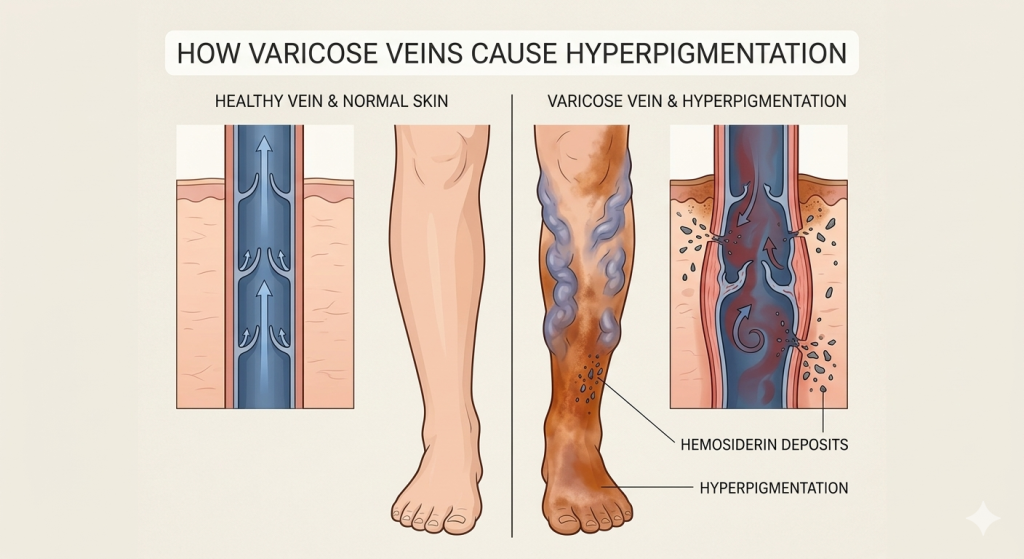
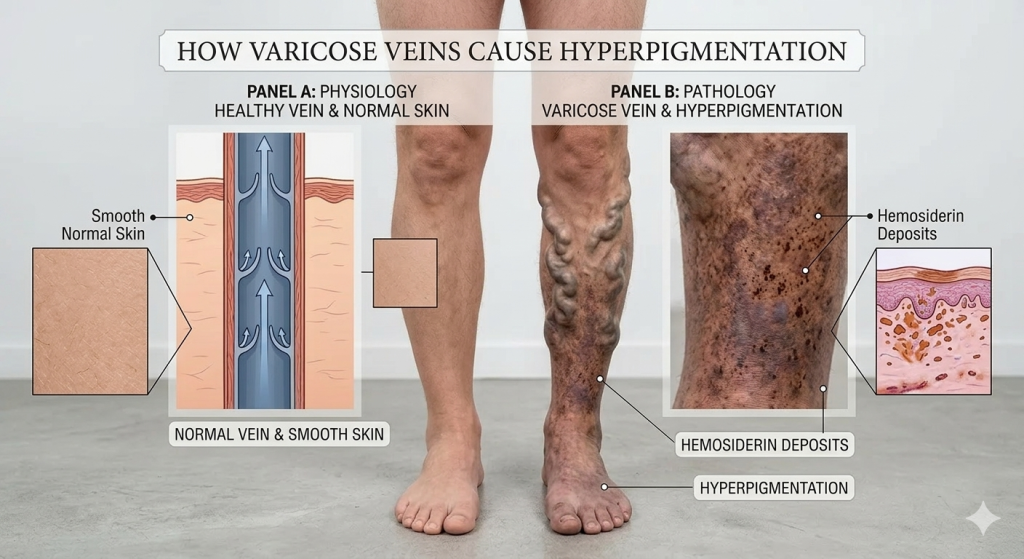
In healthy legs, veins carry blood back to the heart using one-way valves. When these valves weaken, blood begins to pool in the lower legs. This increased pressure causes fluid and blood cells to leak into surrounding tissues.
Over time, this leakage leads to inflammation and discoloration of the skin, one of the most common dark spots on legs causes seen in vascular practice.
2. Breakdown of Red Blood Cells
When blood leaks into the skin, red blood cells break down and release iron-containing pigments. These pigments deposit in the skin, creating the characteristic dark spots on legs from varicose veins.
This process, known as hemosiderin staining, is a significant reason hyperpigmentation on lower legs develops in patients with venous disease and explains many cases of what causes dark spots on lower legs.
3. Chronic Inflammation of the Skin
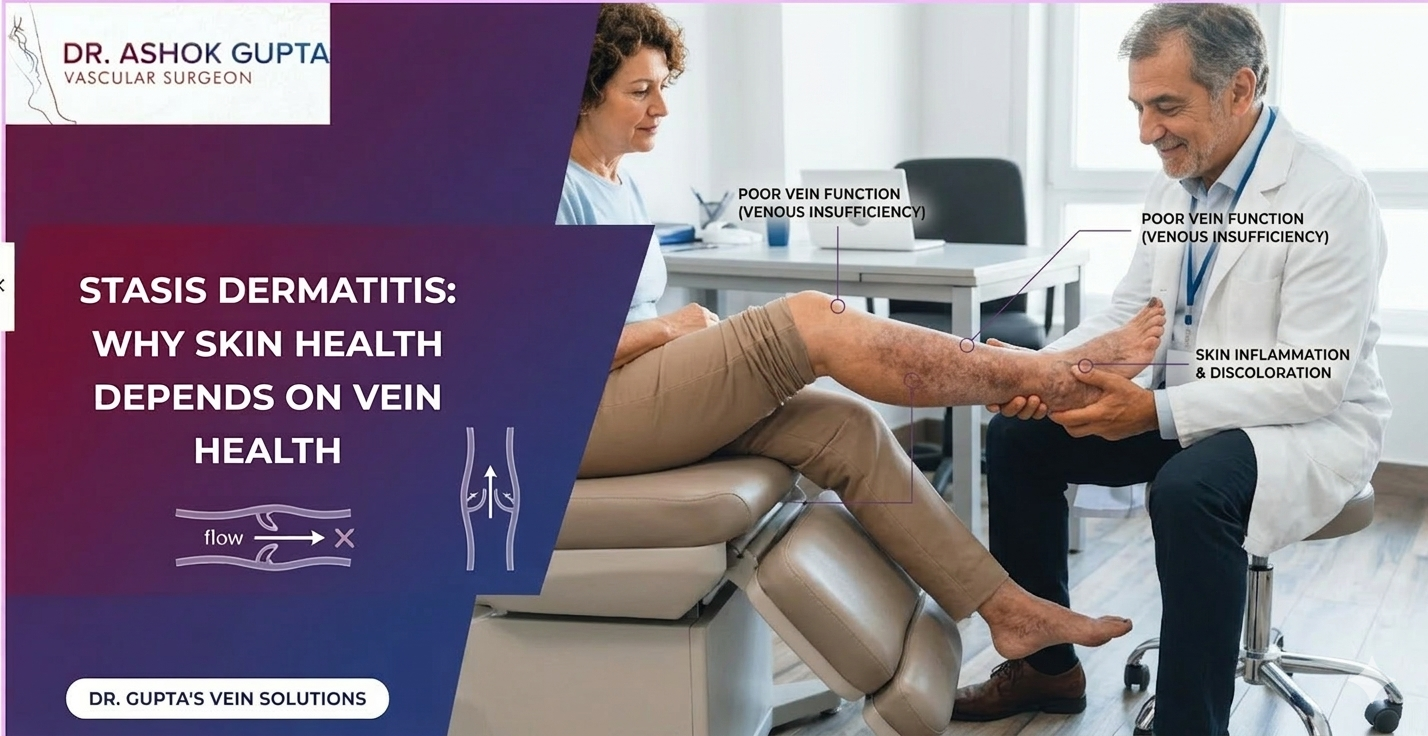
Persistent venous pressure can cause inflammation of the skin and underlying tissues, sometimes leading to stasis dermatitis. The skin may become itchy, dry, and darker over time.
If untreated, this can progress to ulcers or more serious complications, which is why vascular evaluation is essential when hyperpigmentation on legs persists.
Common Areas Where Pigmentation Appears
Patients often notice discoloration in specific regions:
- Around the ankles
- Lower calves
- Shins
- Feet
These areas experience the highest venous pressure, making them more vulnerable to pigmentation on legs causes related to circulation problems.
Other Factors That Can Contribute
While varicose veins are a leading cause, other conditions may also contribute to dark spots on legs, including:
- Diabetes requiring diabetes hyperpigmentation treatment
- Pigmentation on legs during pregnancy
- Minor injuries or inflammation
- Obesity or prolonged standing
- Hormonal changes
A vascular surgeon evaluates all these factors before deciding on hyperpigmentation on the legs treatment.
When Hyperpigmentation Signals a Deeper Problem
From a clinical standpoint, what causes dark spots on lower legs is often more than skin deep.
Hyperpigmentation on legs may indicate:
- Chronic venous insufficiency
- Long-standing varicose veins
- Poor lymphatic drainage
- Increased risk of skin ulcers
Early diagnosis allows treatment before complications develop, especially in cases of hyperpigmentation of legs that continue to worsen.
How a Vascular Surgeon Approaches Treatment
Many people search online for how to get rid of hyperpigmentation on legs, but treatment focuses first on the root cause, the veins.
1. Treating the Underlying Vein Disease
Modern vascular care may include:
- Endovenous laser or radiofrequency ablation
- Sclerotherapy
- Medical compression therapy
- Lifestyle changes
Treating abnormal veins reduces pressure and helps prevent further skin damage. This is often the first step in hyperpigmentation on legs treatment.
2. Improving Skin Appearance
Once circulation improves, skin treatments may help lighten discoloration:
- Medical creams (hyperpigmentation on legs cream)
- Chemical peels
- Hyperpigmentation on legs laser treatment in selected cases
- Dermatologic therapies
Results vary depending on how long the pigmentation has been present.
Practical Guidance for Patients
If you notice hyperpigmentation on legs along with visible veins or swelling, consider these steps:
- Avoid standing or sitting for long hours
- Elevate legs when resting
- Wear compression stockings if advised
- Maintain a healthy body weight
- Seek early vascular consultation
Early intervention can prevent the progression of hyperpigmentation on lower legs and related complications.
Different Situations That Can Affect Leg Pigmentation
Different individuals may experience pigmentation on legs causes ranging from varicose veins and circulation problems to hormonal changes, diabetes, or pregnancy.
Hyperpigmentation on Legs in Black Skin
In darker skin tones, discoloration may appear deeper brown or gray. Early treatment is essential because hyperpigmentation on legs black skin may persist longer if untreated.
Pregnancy and Vein Changes
Hormonal changes and increased blood volume may cause temporary vein enlargement and pigmentation on legs during pregnancy. Many cases improve after delivery, but persistent symptoms should be evaluated.
Regional Treatment Options
Patients often search internationally for care, including Dubai legs hyperpigmentation treatments or other advanced vascular centers. What matters most is choosing a qualified vascular surgeon experienced in managing hyperpigmentation on legs treatment.
Why Choose Dr. Ashok Gupta
Dr. Ashok Gupta has extensive experience and expertise in treating conditions that affect the veins of the legs, including varicose veins, chronic venous insufficiency, and hyperpigmentation on legs. He believes that skin darkening is often a sign of an underlying circulation problem, so his approach focuses on identifying and treating the actual cause, not just the surface symptoms.
With the help of modern, minimally invasive procedures, Dr. Gupta works to improve blood flow, reduce complications, and achieve long-term results. Patients appreciate his clear explanations, practical guidance, and treatment plans designed around their individual needs and lifestyle.
Treat the Cause, Not Just the Color
Hyperpigmentation on legs is often a signal indicating a circulation problem. While creams and cosmetic treatments may improve appearance, lasting improvement usually comes from addressing venous insufficiency.
A vascular surgeon looks beyond the surface, evaluating blood flow, valve function, and long-term risks. With modern minimally invasive treatments, it is now possible to improve both circulation and skin health, helping patients regain comfort, mobility, and confidence.
Don’t ignore hyperpigmentation on legs or persistent dark spots on legs, or hyperpigmentation on lower legs; these may be signs of an underlying vein condition. Dr. Ashok Gupta specializes in modern, minimally invasive treatments for varicose veins and venous skin changes.
Schedule a consultation today to restore comfort, confidence, and healthy circulation.
FAQs
How to get rid of dark spots from varicose veins?
The most effective approach is treating the underlying vein disease through procedures such as laser ablation or sclerotherapy. Once circulation improves, dermatologic treatments and topical therapies may help lighten pigmentation.
How to treat varicose veins in kids?
Varicose veins in children are uncommon and usually linked to congenital vascular conditions. Evaluation by a vascular specialist or pediatric surgeon is essential to identify the root cause and its related treatment options.
Is it normal to have varicose veins while pregnant?
Yes, pregnancy increases pressure on leg veins, and hormonal changes can weaken vein walls. In most cases, this condition improves after delivery, but persistent pain, swelling, or skin changes should be assessed.
What is a red flag for varicose veins?
Warning signs include skin darkening, persistent swelling, pain, ulcers, or a sudden increase in vein size. These symptoms may indicate chronic venous insufficiency and require medical evaluation.
How do you get rid of hyperpigmentation on your legs?
Treatment typically includes managing the underlying cause, improving circulation, using medical-grade creams, and sometimes laser therapy. Results improve when treatment begins early.
Which vitamin deficiency causes black spots on the legs?
Deficiencies in vitamins such as B12 or vitamin C may contribute to skin changes, but most cases of lower leg pigmentation are related to circulation problems rather than nutritional deficiency alone.
What does hyperpigmentation of the lower leg indicate?
It often indicates chronic venous insufficiency, inflammation, or prolonged pressure in leg veins. In some cases, it may signal increased risk of venous ulcers.
How to treat hyperpigmentation for kids?
In children, pigmentation should always be evaluated to determine the cause. Treatment depends on whether the issue is inflammatory, genetic, or vascular in origin.