From Leg Clot to Pulmonary Embolism: Symptoms, Risks, and Life-Saving Care

Pulmonary embolism is one of those diagnoses that can sound distant until it happens to someone close. In many cases, it starts quietly as a blood clot in the leg, then turns dangerous when the clot breaks apart and moves to the lungs. From a vascular surgeon’s point of view, the most important message is that a pulmonary embolism is a medical emergency. Still, it is also highly treatable when it is recognised early.
This article explains what is a pulmonary embolism, where blood clots form in the leg, the warning signs people miss, and what modern pulmonary embolism treatment looks like.
What is pulmonary embolism, and why does it happen?
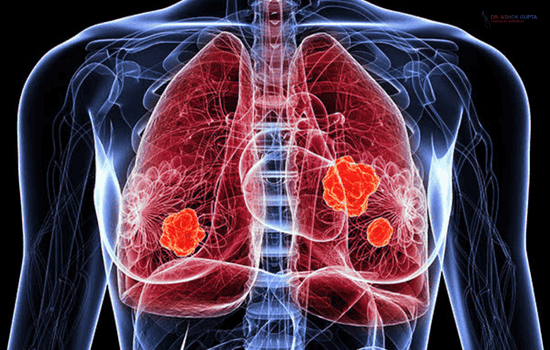
A pulmonary embolism is a blockage of one of the blood vessels in the lungs, most often caused by a blood clot that formed elsewhere in the body and travelled through the veins. When the clot lodges in a pulmonary artery, it disrupts blood flow, reduces oxygen levels, and can place sudden strain on the heart.
A pulmonary embolism is not “just a clot”. It can:
- Reduce oxygen delivery to the body
- Damage to lung tissue if the blockage is significant
- Raise pressure in the lung arteries (pulmonary hypertension in some cases)
- Trigger collapse, shock, or sudden death in severe cases
With timely diagnosis and treatment, most patients do well. The risk increases when symptoms are ignored or dismissed.
Where do blood clots form in the leg, and why are they risky?
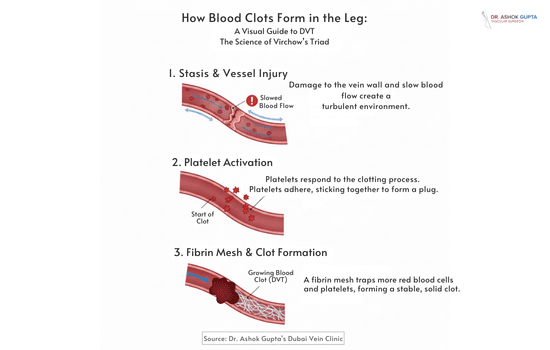
When people ask where blood clots form in the leg, they are usually referring to deep vein thrombosis (DVT). The clots typically form in the deep veins of the calf or thigh. They develop when blood flow slows, the vein lining is irritated, or the blood becomes more likely to clot. Doctors often group these triggers as “stasis, vessel injury, and hypercoagulability”.
The Science of Clotting: Virchow’s Triad
In the medical world, we use a concept called Virchow’s Triad to describe the three primary factors that lead to deep vein thrombosis (DVT). Understanding these can help you identify your own risk levels.
| Term | What it Means | Real-World Example |
| Stasis | Blood flow slows down or pools in the veins. | Long-haul flights, bed rest, or recovery from surgery. |
| Vessel Injury | The inner lining of the vein is damaged. | Physical trauma, surgery, or inflammation from prior clots. |
| Hypercoagulability | The blood becomes “thicker” or more prone to clotting. | Pregnancy, smoking, hormone therapy, or genetics. |
Blood clots in the leg are more likely when:
- You have been immobile for a long time (after surgery, long flights, bed rest)
- There is a recent injury to the leg or pelvis
- You are pregnant or have recently delivered
- You smoke
- You are using hormone-based contraception or hormone therapy
- You have cancer or certain chronic illnesses
- You have a personal or family history of clots
- You have an inherited clotting tendency
Not every DVT becomes a pulmonary embolism, but every DVT carries that risk. That is why leg clot symptoms should never be brushed off.
How a leg clot becomes a pulmonary embolism
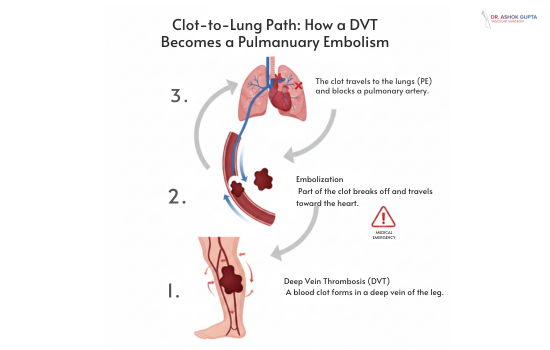
Here is the typical chain of events:
- A clot generally forms in a deep leg vein due to slowed flow or increased clotting tendency.
- Part of the clot breaks away. This travelling piece is called an embolus.
- The embolus moves upward through the veins to the heart.
- It is pumped into the lung circulation, where it can lodge in a pulmonary artery.
- The lung and heart are forced to compensate, and symptoms can escalate quickly.
A clot in the lungs can be small or large. A small clot may cause mild symptoms over days. A larger clot can cause collapse within a matter of minutes. During this range, the condition is often misunderstood..
Pulmonary embolism symptoms that should never be ignored
In some people, the symptoms build slowly. In others, they appear without warning.
What makes it especially dangerous is that the signs can resemble far more common problems, such as asthma, anxiety, a chest infection, or a simple muscle strain. Because of this overlap, the condition is often missed in its early stages.
Warning signs you should never ignore include:
- Sudden difficulty breathing, even while resting
- Chest pain that becomes sharper when taking a deep breath
- Breathing faster than normal without an obvious reason
- A racing or irregular heartbeat
- Coughing, sometimes with traces of blood in the mucus
- Feeling lightheaded, dizzy, or close to fainting
- Skin that appears unusually pale, cold, or bluish in more severe cases
If these symptoms appear all of a sudden, seek emergency care immediately. Do not wait for them to settle.
Diagnosis and treatment
A suspected pulmonary embolism is assessed quickly because time matters. In a hospital, clinicians typically combine the symptom history, risk factors, examination, and tests such as:
- Blood tests including D-dimer in selected patients
- CT pulmonary angiography (a common imaging test for PE)
- Ultrasound of the leg to look for DVT
- V/Q scan when CT contrast is not suitable
- Oxygen saturation monitoring and heart assessment when needed
Pulmonary embolism treatment usually involves anticoagulants (blood thinners). These do not dissolve the clot instantly, but they prevent the clot from growing and reduce the risk of new clots while the body gradually breaks down the existing clot.
In higher-risk cases, treatment may also include:
- Thrombolysis (clot-busting medication) in closely monitored settings
- Catheter-based procedures to remove or reduce the clot
- Surgery in selected life-threatening situations
- A vena cava filter for patients who cannot take blood thinners or have recurrent clots despite treatment
Recovery is not always immediate. Many patients feel noticeably better within days to a week, but full recovery can take weeks or months, depending on clot burden and overall health.
Prevention
Prevention is simpler than you might expect, especially after travel, illness, or surgery. Practical measures include:
- Regular movement and short walking breaks during long sitting periods
- Hydration, with sensible limits on alcohol and caffeine
- Compression stockings when advised
- Avoiding smoking
- Early mobilisation after surgery when medically safe
- Discussing clot risk with your doctor if you have a personal or family history
If you have had DVT or PE before, prevention becomes even more critical and may include longer-term anticoagulation under medical supervision.
When to seek a vascular surgeon
A vascular surgeon’s expertise is needed when symptoms suggest a DVT, when clots recur, when there is underlying vein disease, or when there are concerns about complications such as post-thrombotic syndrome. Assessment not only helps in treating the current event. It also identifies why it happened and reduces the chance of a repeat episode.
Why Choose Dr. Ashok Gupta
With over three decades of hands-on experience in vascular and endovascular surgery, Dr. Ashok Gupta offers seasoned clinical judgement shaped by years of treating complex vein and clot-related conditions.
- Focused expertise in leg vein disorders and deep vein thrombosis, enabling precise diagnosis and well-directed treatment
- Use of minimally invasive methods, including laser and radiofrequency techniques, to support quicker recovery and less disruption to daily life
- Care guided by sound medical evidence and ethical practice, with clear explanations and no unnecessary interventions
- A patient-first approach that values open discussion, careful listening, and informed decision-making
- Treatment delivered in well-equipped clinical facilities in Dubai, supported by dependable diagnostics and organised follow-up
- Ongoing emphasis on prevention, mobility, and lifestyle measures to lower future risk and maintain long-term vein health
When leg clots become dangerous, early action saves lives
Blood clots in the leg and pulmonary embolism are on the same spectrum. If you feel one-sided leg swelling, calf pain that does not match your usual muscle strain, or any symptoms of a pulmonary embolism, such as sudden breathlessness or chest pain, seek urgent medical care.
Seek a specialist for suspected DVT, recurrent clots, and ongoing leg swelling and vein concerns. Dr. Ashok Gupta, vascular and endovascular surgeon in Dubai, offers evidence-based care with a focus on minimally invasive vascular techniques and patient safety.
Book a consultation today and take control of your health.
FAQs
What do blood clots look like in the leg?
They are not always visible. Some people often notice one-sided swelling, changes in skin colour (redness or a dusky tone), or some slightly visible surface veins. Others see little change but feel pain and heaviness.
What do blood clots in the leg feel like?
Many describe a deep ache, cramp-like pain, tightness, or tenderness, often in the calf or behind the knee. The leg can also feel warm and look more swollen on one side.
What causes blood clots in the leg?
Common causes can include prolonged immobility, surgery, injury, pregnancy, hormone therapy, smoking, cancer, inherited clotting disorders, or a prior clot history.
What is pulmonary embolism?
A pulmonary embolism is a kind of blockage in a lung blood vessel, most often caused by a clot that has travelled from the leg (DVT) to the lungs. It reduces oxygen exchange and can strain the heart.
How long before a pulmonary embolism kills you?
There is no safe “time window”. Severe pulmonary embolism can be fatal very quickly, sometimes within minutes or hours. Milder cases may evolve over days. Any suspected symptoms require urgent emergency assessment.
What is the cause of pulmonary embolism?
The most common cause is a deep vein thrombosis in the leg that breaks off and travels to the lungs. Less commonly, other materials can cause blockage, but leg clots are the typical source.
How long can you have a pulmonary embolism without knowing?
Some people have mild symptoms that build over a few days or weeks. They can also be mistaken for fatigue, anxiety, or a chest infection. Others can develop sudden symptoms.
What is the survival rate for pulmonary embolism?
Outcomes can vary based on the clot size, overall health, and how quickly treatment starts. With prompt evaluation and treatment, most people survive and recover well. Delayed treatment raises the risk significantly.
Can someone be saved from a pulmonary embolism?
Emergency treatment can be life-saving, including anticoagulants and, in high-risk cases, advanced clot-directed therapies. Rapid recognition and urgent care are key.
Can you fully recover from a pulmonary embolism?
Many people recover completely, especially with timely treatment and follow-up. Some may have longer recovery due to reduced exercise tolerance or complications such as chronic pulmonary hypertension, which is uncommon but important to monitor.
Recent Blogs