Why Are My Veins Popping Out?
Your Guide to Leg Bulging Vein Symptoms and Solutions

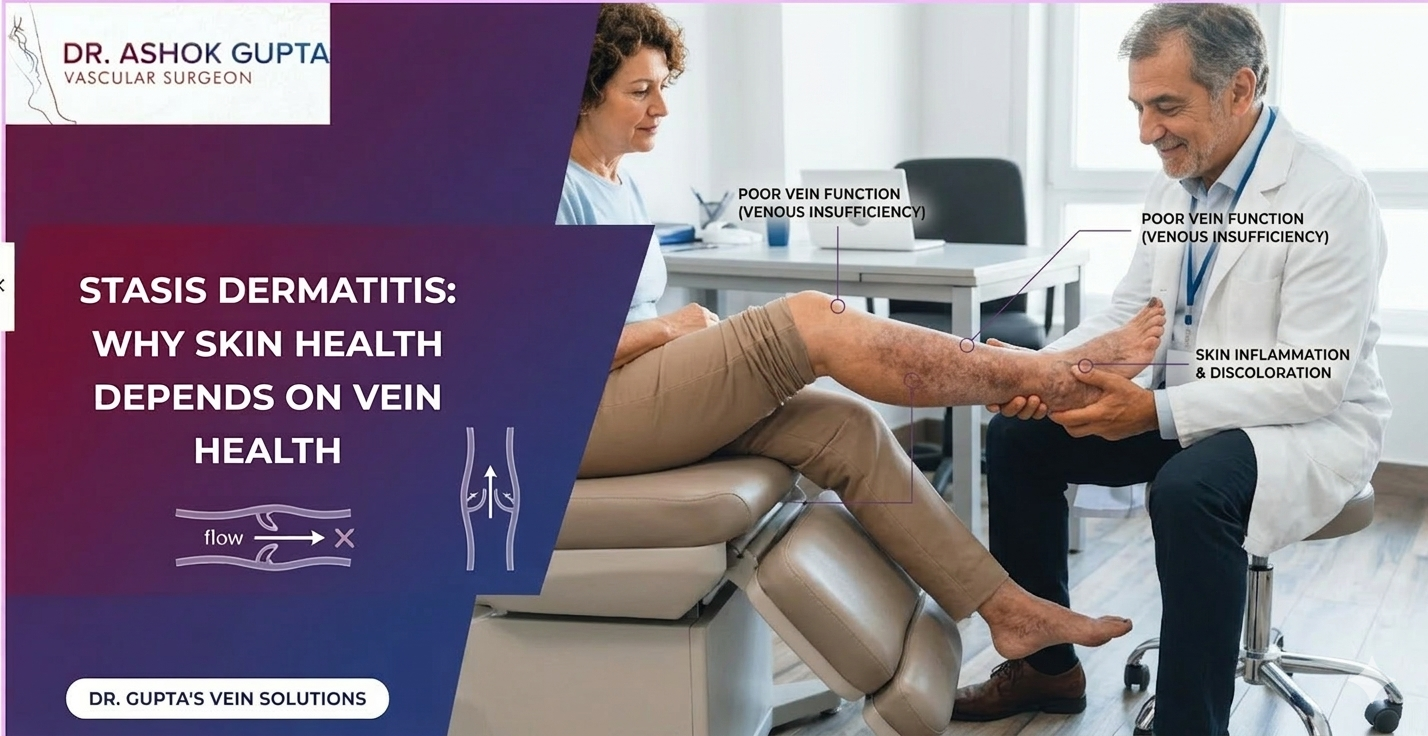
Bulging veins, most often seen in the legs and feet, are a common vascular concern. These veins appear swollen, twisted, or enlarged beneath the skin, sometimes causing discomfort, heaviness, or cosmetic distress. While bulging veins can be harmless, they may also signal underlying issues such as chronic venous insufficiency, poor circulation, or varicose veins.
Understanding the causes, symptoms, and treatment options for bulging veins is essential. Early awareness not only helps in improving leg health and mobility but also prevents complications like pain, swelling, skin changes, or ulcers.
In this blog, we will explore what leads to bulging veins, how to recognize when they require medical attention, and the modern minimally invasive treatments offered by vascular specialists to restore healthy circulation and confidence.
What are bulging veins in legs?
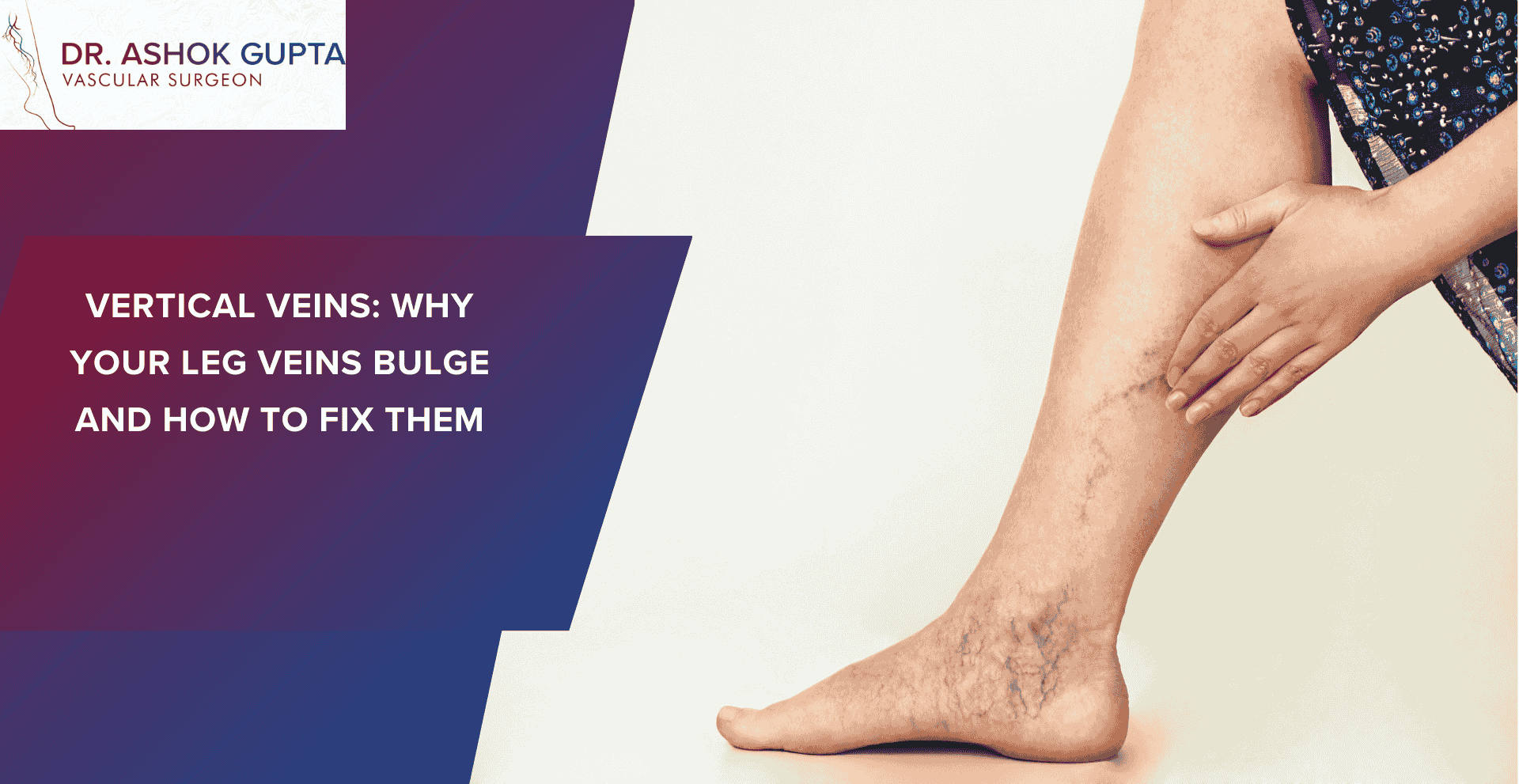
Bulging veins are veins that appear enlarged, swollen, and prominently visible beneath the skin. They are most commonly seen in the legs and feet, where the pressure on the veins is higher, though they can develop in other parts of the body as well.
Often described as twisted, rope-like, or bumpy, these veins may appear blue, purple, or flesh-colored. In many cases, bulging veins indicate that the veins are not circulating blood efficiently, a problem linked to chronic venous insufficiency. This condition can contribute to varicose veins, leg discomfort, swelling, and poor vein health if not managed properly.
What causes bulging leg veins?
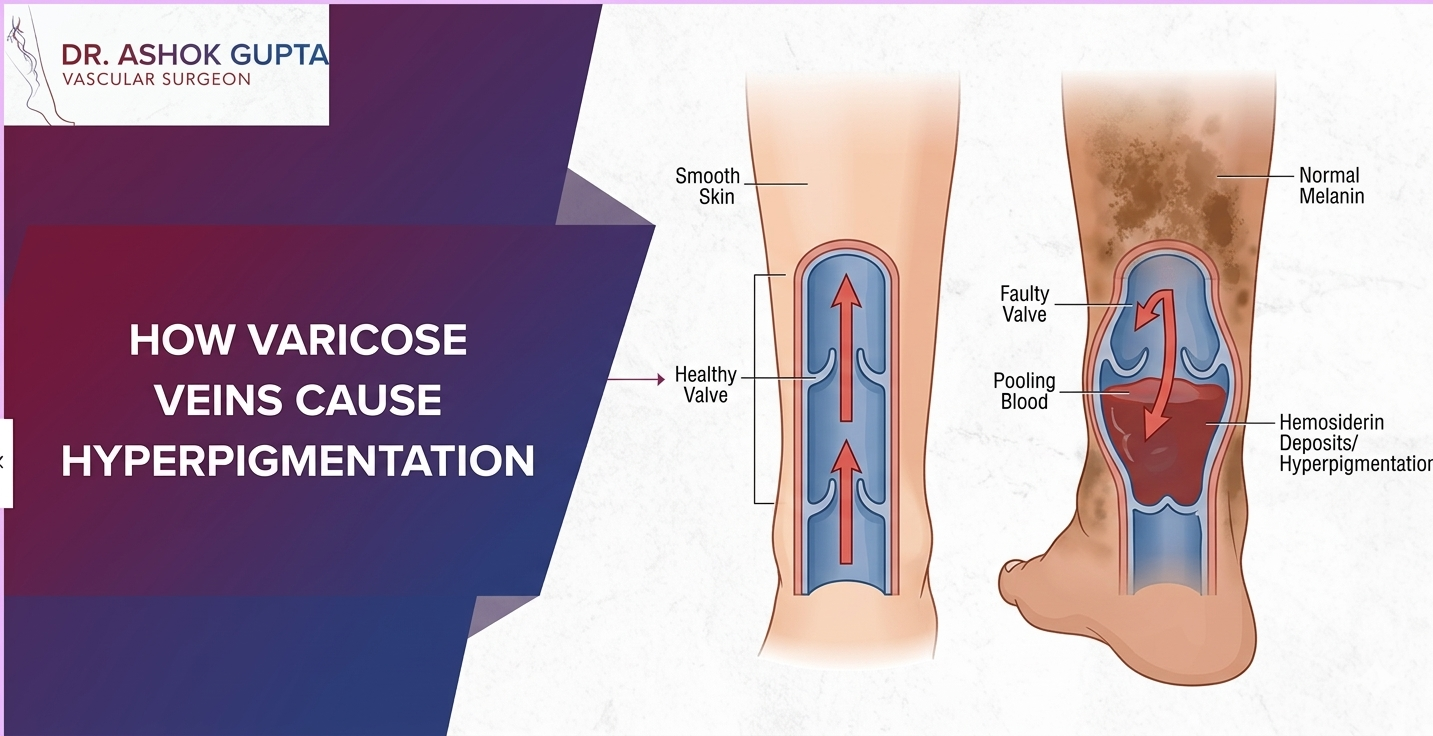
The primary cause of bulging veins—or swollen, enlarged veins—is often an underlying vascular condition known as varicose veins. This occurs when the valves inside the veins weaken or become damaged, preventing blood from flowing upward efficiently. As a result, blood pools in the veins, creating increased pressure that causes them to stretch, swell, and bulge beneath the skin.
If left untreated, this process may worsen over time, leading to chronic venous insufficiency, circulation problems, and visible varicose veins. Several factors contribute to the development of bulging veins, particularly in the legs where blood flow works against gravity.
6 Common Risk Factors for Bulging Veins in the Legs
- Age – As you grow older, your veins lose elasticity and the valves become weaker, making them more prone to bulging.
- Genetics – A family history of varicose veins increases your likelihood of developing vein disorders.
- Gender – Women are at higher risk due to hormonal influences during pregnancy, menopause, or when using birth control pills.
- Pregnancy – Increased blood volume and pressure during pregnancy can strain the leg veins, causing them to bulge.
- Prolonged Sitting or Standing – Occupations or lifestyles that require long hours of immobility create venous pressure and impair circulation.
- Obesity – Excess body weight adds extra strain on the veins, increasing the chances of swelling and bulging.
What do bulging veins or a popping out vein in leg indicate?
Bulging veins are not always just a cosmetic concern — they can be a visible sign of underlying vascular health issues. Some of the most common conditions associated with bulging veins include:
- Venous Insufficiency – A condition where the veins fail to return blood efficiently to the heart, causing blood to pool, which leads to swelling, heaviness, and visible bulging veins.
- Varicose Veins – Enlarged, twisted veins that commonly develop in the legs. They may cause discomfort, aching, swelling, skin changes, and reduced circulation if untreated.
- Deep Vein Thrombosis (DVT) – Although not always visible, a blood clot in a deep vein can restrict blood flow, sometimes leading to swelling or bulging in surrounding veins. DVT is a serious medical condition that requires urgent attention.
- Chronic Venous Disease (CVD) – An umbrella term for long-term vein problems characterized by persistent swelling, pain, skin discoloration, and venous ulcers due to poor circulation.
When should I be worried about veins popping out of legs or bulging veins?

Bulging veins are usually a cosmetic issue and are not a serious health threat. However, there are instances when bulging veins may indicate a more serious underlying condition, requiring you to seek medical attention. You should be concerned about bulging veins if:
- You experience pain or discomfort: If the bulging veins are accompanied by pain, throbbing, or aching, it may be a sign of venous insufficiency or varicose veins that require treatment.
- The skin changes colour: Darkened skin around the veins or the development of ulcers may indicate a more severe form of venous disease.
- Swelling: Persistent swelling in the legs, ankles, or feet may be a sign of fluid retention due to poor circulation or venous insufficiency.
- You have a history of blood clots: If you have previously experienced deep vein thrombosis (DVT), bulging veins could indicate that the problem is recurring or worsening.
- The veins are red, warm, or tender: These symptoms could indicate an infection or vein clot requiring immediate medical attention.
Bulging veins are usually a cosmetic issue and are not a serious health threat. However, there are instances when bulging veins may indicate a more serious underlying condition, requiring you to seek medical attention. You should be concerned about bulging veins if:
- You experience pain or discomfort: If the bulging veins are accompanied by pain, throbbing, or aching, it may be a sign of venous insufficiency or varicose veins that require treatment.
- The skin changes colour: Darkened skin around the veins or the development of ulcers may indicate a more severe form of venous disease.
- Swelling: Persistent swelling in the legs, ankles, or feet may be a sign of fluid retention due to poor circulation or venous insufficiency.
- You have a history of blood clots: If you have previously experienced deep vein thrombosis (DVT), bulging veins could indicate that the problem is recurring or worsening.
- The veins are red, warm, or tender: These symptoms could indicate an infection or vein clot requiring immediate medical attention.
Common Symptoms of Bulging Veins
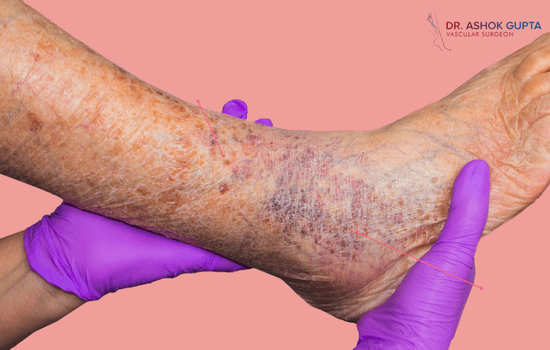
- Bulging or swollen veins are often more than a cosmetic concern — they may indicate underlying venous insufficiency or varicose vein disease. The most frequently reported symptoms include:
- Visible, enlarged, twisted, and rope-like veins on the legs, ankles, or feet.
- Pain, aching, throbbing, or a feeling of heaviness in the legs, especially after prolonged standing or sitting.
- Swelling (edema) in the feet, ankles, or calves, often worsening by the end of the day.
- Skin changes such as discoloration, darkening, or thickening around the affected veins.
- Itching, burning, or irritation near the bulging veins due to poor circulation.
- Bulging or “popping” veins around the ankles and feet, a common sign of worsening venous disease.
- In severe cases, untreated bulging veins can lead to leg ulcers, blood clots (thrombosis), bleeding, or chronic venous insufficiency.
When varicose veins big bulging veins in legs are dangerous?

When Varicose Veins Become Dangerous
While varicose veins are often seen as a cosmetic concern, they can become serious and potentially life-threatening if complications develop. Some of the most critical risks include:
- Blood clots (Deep Vein Thrombosis – DVT): A clot forming inside a deep vein can block blood flow. If the clot dislodges and travels to the lungs, it may cause a pulmonary embolism, a medical emergency.
- Venous ulcers: Open sores or ulcers may develop on the skin, most commonly around the ankles, due to chronic venous insufficiency and poor circulation. These ulcers are painful, slow to heal, and prone to infection.
- Bleeding veins: Because varicose veins are enlarged and located near the skin surface, they can rupture and bleed easily, either spontaneously or due to minor trauma.
👉 If you experience any signs of blood clots, ulcers, or bleeding varicose veins, it is essential to seek prompt medical attention to prevent further complications.
What helps bulging veins?
Treatment for bulging veins depends on the severity of venous insufficiency and can range from lifestyle modifications and natural remedies to advanced medical procedures.
Lifestyle Changes for Vein Health
- Regular exercise improves blood circulation and strengthens muscles, helping veins pump blood effectively.
Leg elevation reduces swelling and improves venous return to the heart. - Compression stockings support vein walls, reduce discomfort, and control swelling.
- Maintaining a healthy weight lowers pressure on leg veins and prevents symptoms from worsening.
Role of Flavonoids in Bulging Veins
- Flavonoids are natural compounds found in fruits, vegetables, and herbs that improve circulation and vein wall strength.
- Mode of Action: Reduce inflammation, enhance blood flow, and improve vein tone.
- Benefits: Help relieve leg swelling, pain, and heaviness caused by varicose veins.
- Effectiveness: Work best when combined with compression therapy or medical treatments.
Medical Treatments for Bulging Veins
- Sclerotherapy: Injection therapy that collapses bulging or varicose veins.
- Endovenous Laser Therapy (EVLT): A minimally invasive laser procedure that seals damaged veins.
- Vein Stripping: A surgical option for severe or recurring bulging veins.
While bulging veins may seem like a cosmetic concern, they can signal varicose veins or chronic venous insufficiency. If you notice leg pain, swelling, skin discoloration, or persistent discomfort, it is essential to consult a vascular surgeon for proper diagnosis and treatment.
Bulging Veins Treatment with Dr. Ashok Gupta
Dr. Ashok Gupta, an experienced vascular surgeon in Dubai, provides a comprehensive approach to bulging veins treatment. Depending on your condition, care may include lifestyle modifications, minimally invasive procedures, or advanced vein therapies such as sclerotherapy, endovenous laser therapy (EVLT), and radiofrequency ablation.
If your veins are bulging, you have varicose veins, or you have symptoms of poor vein circulation, you should book an appointment with Dr. Ashok Gupta. He will help you find the best treatment for your specific needs.
👉 Don’t delay care—early intervention can help restore circulation, reduce discomfort, and prevent complications for healthier, pain-free legs.
FAQs
Why is my ankle vein popping out?
A popping-out ankle vein may be due to varicose veins, increased pressure from standing, exercise, or injury. It can also indicate circulation issues. If accompanied by pain, swelling, or color change, consult a doctor for evaluation and treatmen
Is it normal for veins to bulge?
Veins can bulge temporarily after exercise, heat exposure, or standing, which is usually normal. Persistent bulging, especially with pain, swelling, or skin changes, may indicate varicose veins or circulation problems and should be evaluated by a healthcare professional.
What do big veins mean?
Big veins can be normal due to genetics, exercise, or low body fat. However, they may also indicate varicose veins or circulatory issues if accompanied by pain, swelling, or discoloration. Medical evaluation helps determine the cause and necessary treatment.
What causes protruding veins?
Protruding veins can result from exercise, aging, heat, or low body fat, which make veins more visible. They may also be caused by varicose veins or circulation issues. Persistent or painful vein changes should be assessed by a healthcare professional.
Recent Blogs